
Pinterest SEO is not about chasing trends or posting randomly. It is about building a structured discovery system that allows your content to surface consistently in search results over time.
Unlike fast-moving social platforms, Pinterest functions more like a visual search engine, where optimization, relevance, and consistency matter far more than virality.
This Pinterest SEO roadmap is designed for creators, bloggers, businesses, and marketers who want predictable, compounding traffic from Pinterest.
It breaks Pinterest SEO into clear stages, so you know exactly what to focus on now, what to improve next, and what advanced tactics actually move the needle in 2026.
Each stage builds on the previous one. Skipping steps often leads to stalled growth, even if the content quality is high.
Table of Contents
Key Takeaways
- Pinterest SEO works in stages, not shortcuts
- Strong foundations matter more than frequent posting
- Keyword alignment and content organization drive long-term visibility
- Advanced growth comes from optimization, not volume
- Maintenance is required to protect and grow rankings over time
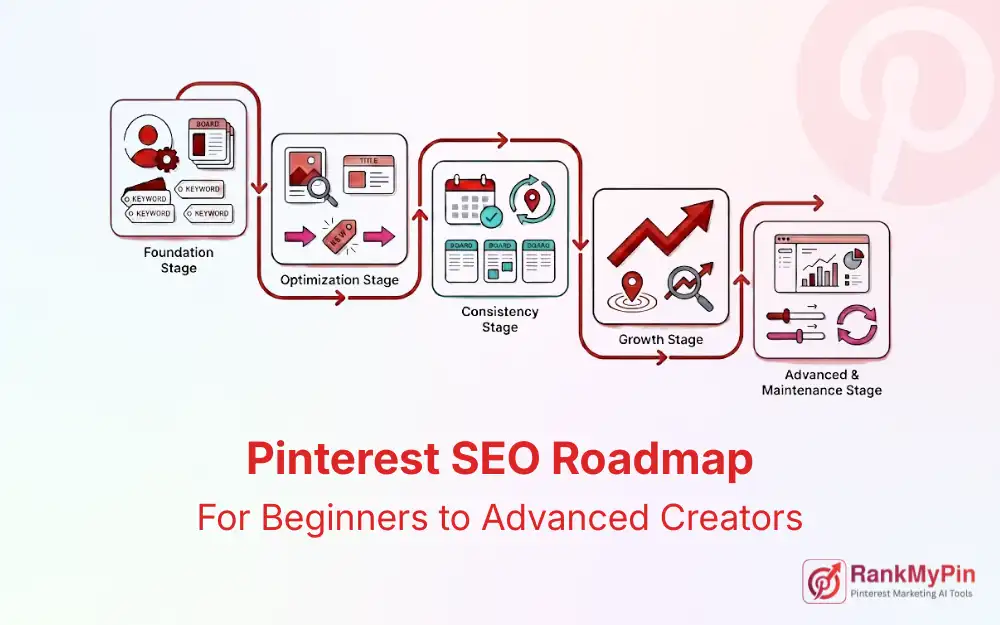
Stage 1: Pinterest SEO Foundation
This stage establishes basic SEO readiness. Without it, later optimization efforts tend to fail or produce inconsistent results.
Start by setting up or converting to a Pinterest Business account. Business accounts unlock analytics, allow website claiming, and provide credibility signals to the algorithm.
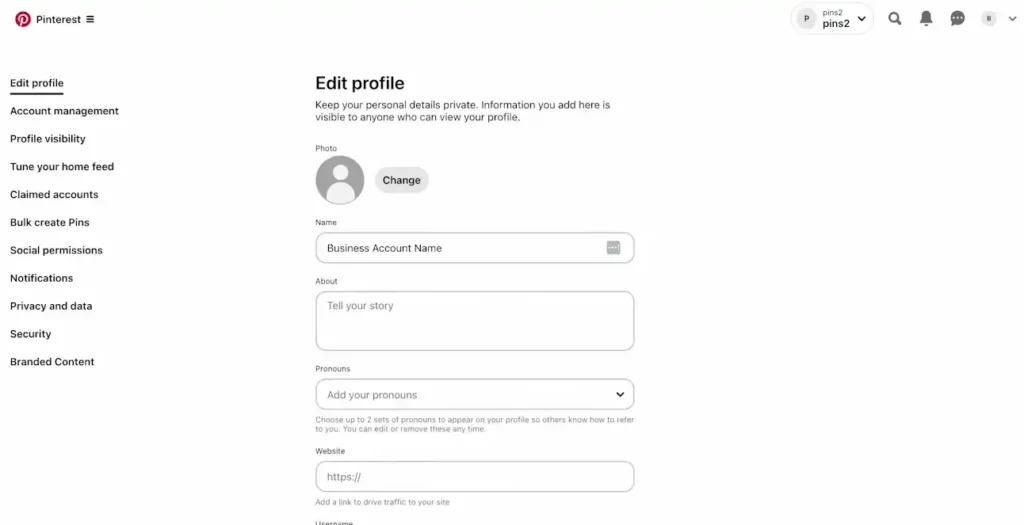
Claiming your website is especially important because it links your domain authority directly to your Pins.
Next, define a clear niche and content focus. Pinterest rewards topical consistency. Accounts that try to cover too many unrelated topics struggle to build relevance. Your niche should answer one core audience problem, not multiple unrelated interests.
Then identify your core keyword themes. These are not individual keywords but topic buckets you will consistently publish around.
For example, instead of recipes, you might focus on quick vegetarian dinners or budget family meals.
At this stage, avoid overposting. Focus on clarity and alignment instead of volume. A well-defined foundation makes every future Pin more effective.
Stage 2: On-Page Pinterest SEO
This stage focuses on optimizing individual elements that Pinterest uses to understand your content.
Your profile name and bio should clearly describe what you help people do, using primary keywords naturally. Pinterest indexes this information and uses it to classify your account.
Boards are the backbone of Pinterest SEO. Each board should target a specific keyword theme and include a clear, descriptive title. Board descriptions should explain what the board contains in natural sentences, not keyword lists.
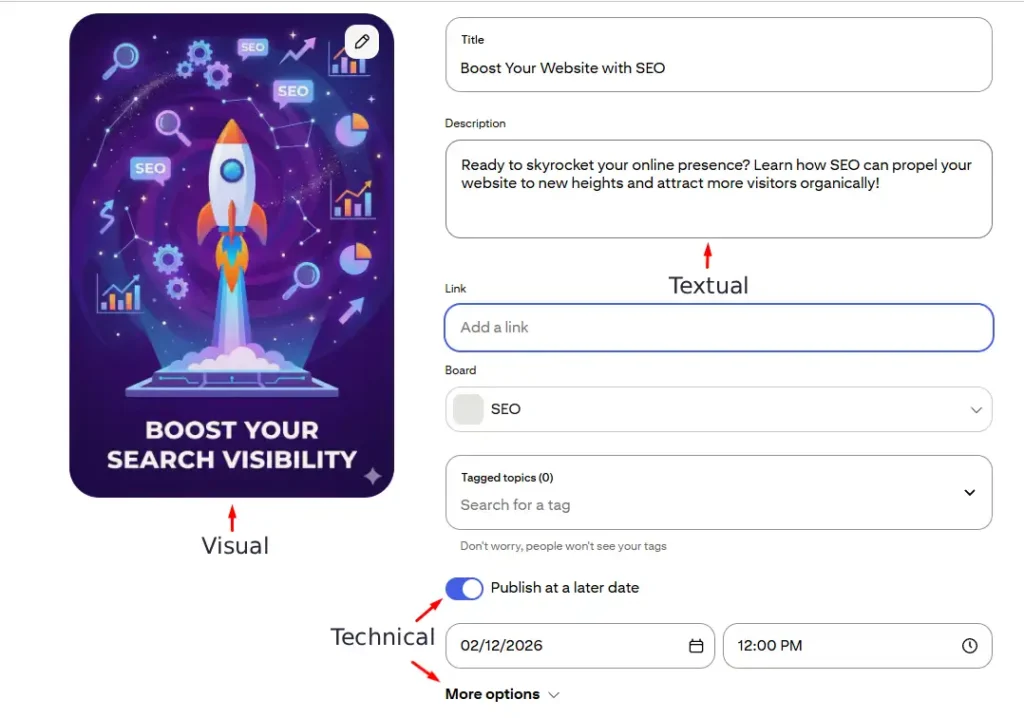
Pin titles and descriptions should be written for humans first, but structured clearly. Titles should explain the value of the Pin. Descriptions should provide context and reinforce relevance without repetition.
Visual design matters too. Pinterest reads text overlays through image recognition. Use large, readable text that matches the search intent. A mismatch between visuals and keywords reduces discoverability.
Stage 3: Content Organization and Consistency
Once optimization is in place, consistency becomes the main ranking driver.
Map your keyword themes to specific Boards and Pin types. Each Board should represent a focused topic, and each Pin should clearly belong to that topic. Random pinning weakens topical signals.
Consistency does not mean daily posting at all costs. It means publishing regularly enough to reinforce relevance.
For most accounts, a steady schedule of a few high-quality Pins per week is more effective than bursts of activity.
New Pins should always align with existing Boards and topics. Creating content outside your established themes confuses both users and the algorithm.
At this stage, Pinterest begins to associate your account with specific searches, which is where traffic stability starts to appear.
Stage 4: Pinterest Performance Optimization
In this stage, we are going to use data instead of assumptions.
Pinterest Analytics reveals which Pins drive impressions, saves, and clicks from search. Focus on search-driven performance rather than overall views.
Identify your top-performing keywords and Pins. These are signals of strong relevance. Instead of constantly creating new topics, expand on what already works.
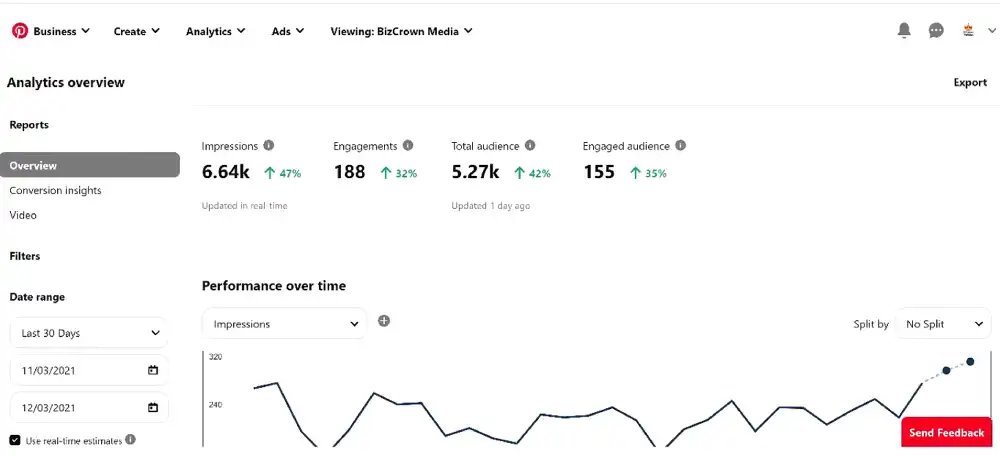
Underperforming Pins should not be deleted immediately. Often, refreshing images, updating descriptions, or improving text overlays is enough to revive them.
Optimization at this stage is iterative. Small improvements across multiple Pins compound into significant growth.
Stage 5: Pinterest Authority and Scale
Authority is built when Pinterest repeatedly sees your account covering a topic deeply and consistently.
Create content clusters around high-performing topics. This means multiple Pins, Boards, and formats supporting the same keyword theme from different angles.
Repurpose successful Pins into new designs, formats, or seasonal variations. Pinterest values fresh creatives linked to proven topics.
Seasonal and trend-based keywords become powerful at this level. Publishing early, based on planning behavior, allows your content to age into visibility before demand peaks.
Scaling is about leverage, not volume.
Stage 6: Ongoing Maintenance of Pins and Boards
Pinterest SEO is not a simple set-and-forget.
Periodically audit Boards and Pins to ensure alignment with current search behavior. Keywords evolve, and outdated language can limit reach.
Update descriptions, titles, and visuals for evergreen content. Small updates help maintain rankings without starting from scratch.
Remove or consolidate low-value content that no longer supports your niche. A cleaner account structure strengthens overall relevance.
Maintenance protects the authority you have built and prevents slow decline.
FAQs
What are the first 3 steps in Pinterest SEO?
The first steps are setting up a Business account, defining a focused niche, and identifying core keyword themes. These actions establish discoverability, relevance, and consistency, which are required before Pins can rank reliably in Pinterest search.
How does a Pinterest SEO progress from beginner to intermediate?
Progression happens when optimization expands beyond setup into structured Boards, keyword-aligned Pins, and consistent publishing. Intermediate growth relies less on posting frequency and more on alignment between keywords, visuals, and content organization.
What advanced tactics complete a Pinterest SEO?
Advanced tactics include content clustering, performance-driven optimization, seasonal keyword planning, and systematic repurposing of high-performing Pins. These strategies strengthen authority and allow accounts to scale without relying on trends.
Which tools build an effective Pinterest SEO?
Pinterest Analytics, Pinterest Trends, and Keyword Research tools that analyze autocomplete and search suggestions are essential. Design tools that support consistent branding and readable text overlays also play a key role.
What KPIs measure Pinterest SEO success?
Key indicators include search impressions, saves, outbound clicks, keyword visibility, and traffic longevity. Sustainable Pinterest SEO shows steady growth over months, not short-term spikes.
Conclusion
Pinterest SEO is a long-term system, not a growth hack. Accounts that follow a staged approach build visibility that compounds over time.
By focusing on foundations, alignment, optimization, authority, and maintenance, you turn Pinterest into a reliable search-driven traffic channel rather than a guessing game.
The most effective strategy is not doing everything at once. It is doing the right things in the right order and maintaining them consistently.