
Pinterest is not a social network in the traditional sense. In 2026, it functions primarily as a visual discovery search engine where users actively look for ideas, plan future actions, and explore options through images and videos. People come to Pinterest with intent, even when that intent is still forming.
Unlike platforms built around real-time updates or personal connections, Pinterest is structured around search behavior. Users type queries, browse results, refine ideas, and save content for later use. Pins are indexed and resurfaced based on relevance, not recency or follower count, which gives content long-term visibility.
Grow Your Pinterest Faster
Schedule pins, boost engagement, and get more followers effortlessly.
Understanding Pinterest as a search engine is essential for anyone creating content meant to be found over time.
This guide explains how Pinterest search works, how it differs from Google, how content is discovered, and how users interact with the platform, without covering ranking tactics or algorithm changes.
Table of Contents
Key Takeaways
- Pinterest is a visual discovery search engine, not a social media platform.
- Users come with planning and future intent, not to consume real-time updates.
- Search results are driven by keywords, visuals, context, and engagement, not followers.
- Content is discovered through search, recommendations, and guided refinement, not feeds.
- Pins can generate visibility and traffic months or years after publishing.
- Pinterest captures early and mid-funnel intent, complementing traditional search engines like Google.
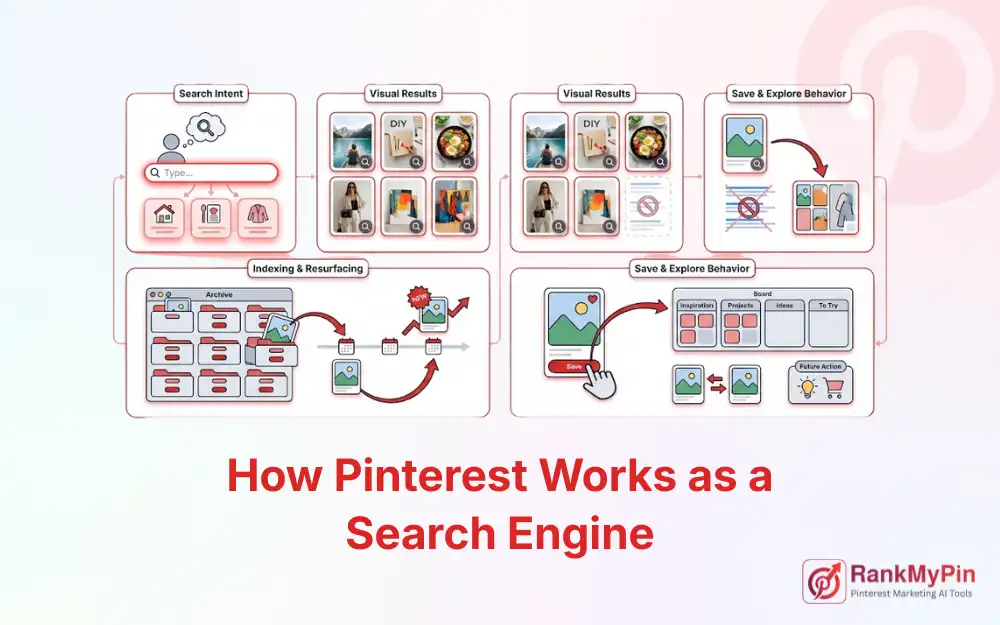
How Pinterest Works as a Search Engine
Pinterest works as a visual search engine by indexing Pins, images, videos, text, and contextual signals, then matching them to user intent. Instead of showing posts from people you follow, it surfaces evergreen content designed to help users discover, plan, and decide.
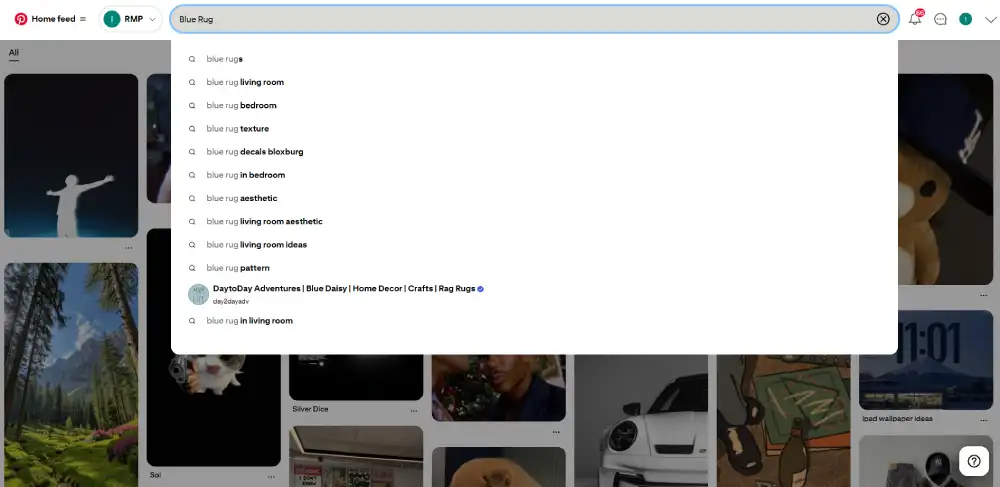
Search results are shaped by keywords, visual similarity, and engagement patterns over time. A single Pin can appear in search results, recommendations, and related content months or even years after it is published.
Key Aspects of How Pinterest Functions as a Search Engine
Pinterest’s search system is built to support discovery and planning rather than fast answers. These core elements define how Pinterest search works:
Visual-First Search
Pinterest prioritizes images and videos over texts. Users evaluate relevance visually first, scanning layouts, styles, and ideas before reading descriptions or clicking through. The visual asset is the primary decision factor of Pinterest.
Keyword-Driven Results
Despite its visual nature, Pinterest depends heavily on keywords to understand intent. Search queries, Pin titles, descriptions, board names, and on-image text provide the context needed to match content to searches. According to Sprout Social (25 must-know Pinterest stats for marketers, 2025), 96% of top searches on Pinterest are unbranded, meaning users search for concepts like “home decor” rather than specific brand names.
Guided Search
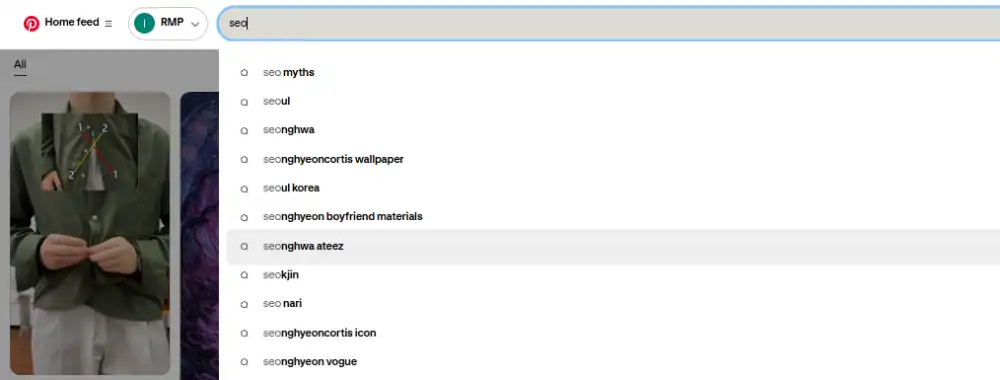
Pinterest uses guided search to help users refine vague or broad ideas. After an initial query, suggestion chips appear under the search bar, allowing users to narrow results by theme, style, or purpose.
Engagement Factors
Pinterest observes how users save, click, and revisit Pins over time. These interactions signal usefulness and relevance. Engagement reflects planning behavior rather than popularity or conversation. Learn about the Pinterest engagement signals and how it works.
Two-Pronged Strategy
Pinterest search works through both active search and passive discovery. Content is found through direct queries, but also through home feed recommendations and related Pins, extending reach beyond typed searches.
High-Intent Audience
Pinterest users are future-focused. They are researching, comparing, and preparing to act. According to Hootsuite (42 Pinterest Stats That Matter to Marketers, 2024), 85% of Pinners use the platform specifically to start planning new projects. This makes Pinterest especially effective for discovery tied to planning, purchasing, and long-term decisions.
Is Pinterest a Social Media or a Search Engine?
Pinterest is a visual search engine, not a traditional social media platform. Users search for ideas and organize results around future intent rather than consuming updates from people they follow.
How Pinterest differs from social platforms
- No chronological feed
- Limited emphasis on followers
- Discovery driven by search and relevance
- Engagement centered on saving, not conversation
Most user sessions begin with a query or browsing intent, not social interaction.
How Pinterest Search Is Different From Google Search
Pinterest and Google serve different purposes in the user journey. Google is optimized for fast, direct answers. Pinterest is optimized for exploration and inspiration.
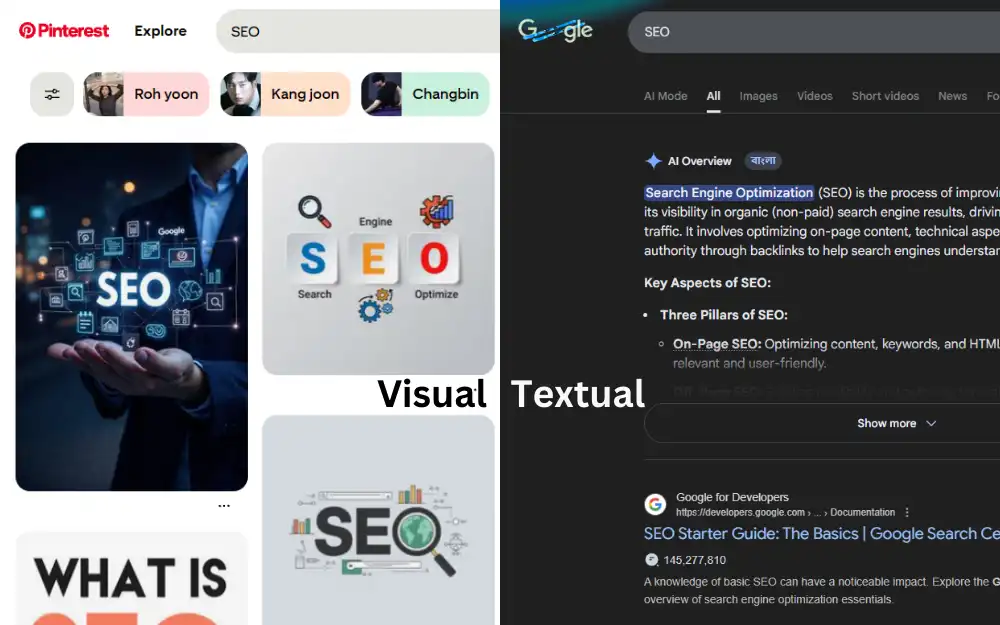
Pinterest encourages browsing multiple results, saving ideas, and refining intent over time, while Google typically resolves a question quickly, often with a single answer or page.
Visual vs. Textual Discovery
Pinterest surfaces results as image and video grids. Google prioritizes text links and answers. On Pinterest, visuals are the primary ranking and decision-making element.
Intent and Timing
Pinterest captures early and mid-funnel intent. Users are exploring options and forming preferences. Google often captures late-stage intent where users want a direct answer.
Search Behavior
Pinterest users:
- Explore multiple results
- Save ideas for later
- Refine searches visually and contextually
Google users:
- Click one or two results
- Seek fast answers
- Exit once the question is resolved
Content Type
Pinterest favors:
- How-to visuals
- Step-based ideas
- Inspirational and comparison content
- Evergreen guides
Google favors:
- Text-heavy explanations
- Authority pages
- Direct informational answers
How Content Is Found on Pinterest
Content on Pinterest is discovered through multiple interconnected surfaces designed to surface ideas, inspiration, and solutions over time. Unlike social media, where posts appear primarily based on recency or followers, Pinterest organizes content around user intent and relevance.
Main discovery surfaces:
Search results: Pins appear when users type keywords or phrases. Keywords in Pin titles, descriptions, boards, and on-image text help Pinterest match content to the query.
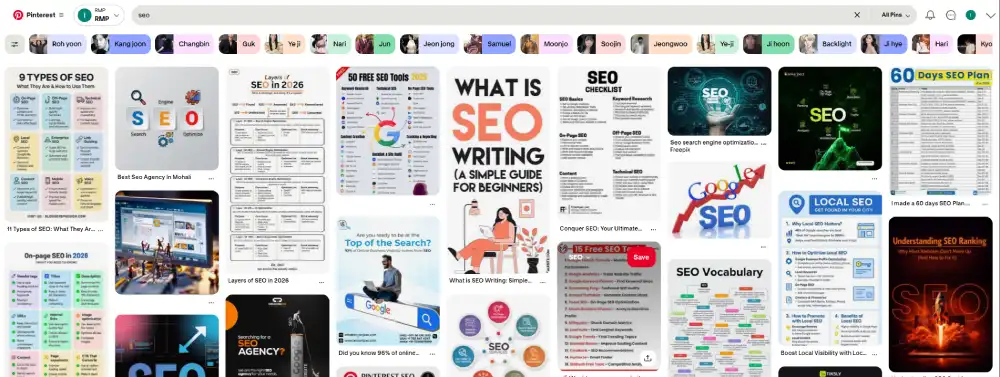
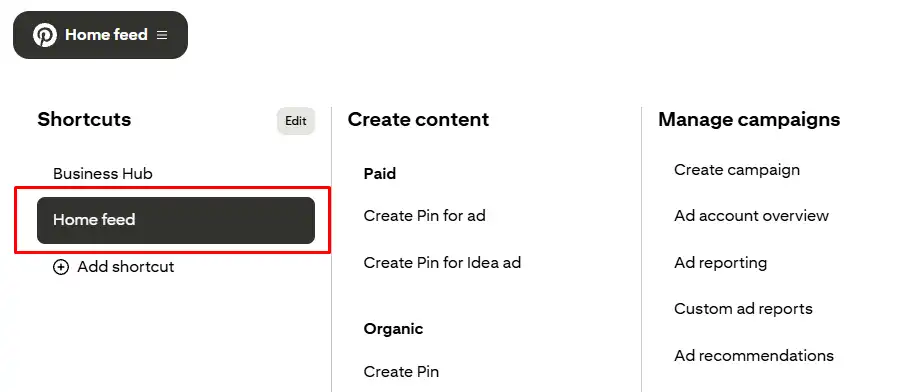
Home feed recommendations: Personalized for each user, the home feed suggests Pins based on prior engagement, saved boards, and visual interests.
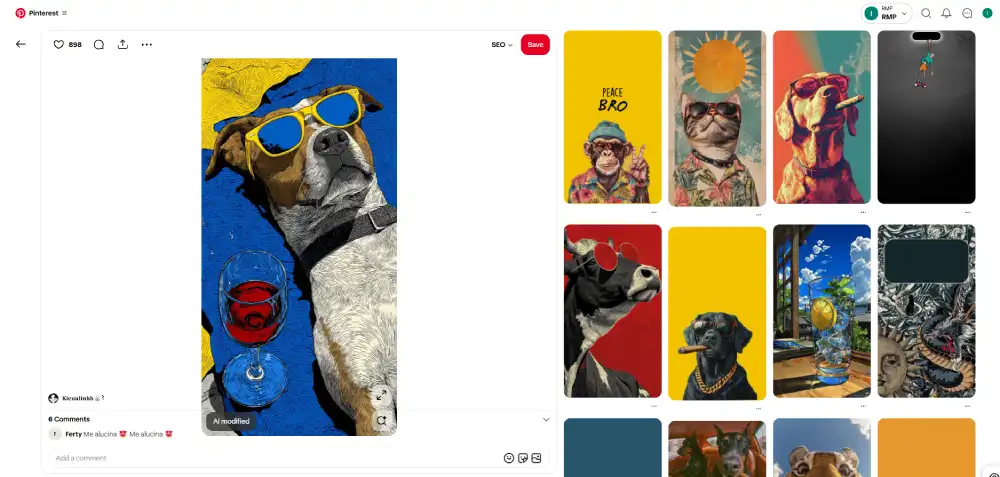
Related Pins: When viewing a Pin, Pinterest surfaces visually or topically similar content to encourage further exploration.
Guided search refinements: After entering a query, Pinterest offers filters and suggestion chips that help narrow or redirect searches, turning vague intent into more specific discovery.
This multi-layered approach allows a single Pin to appear across several surfaces, providing long-term visibility and helping users discover content naturally, even if they aren’t actively searching.
What Pinterest Indexes and Understands
Pinterest is more than a visual storage; it actively indexes and interprets the content to match user intent. Its indexing process combines text, imagery, and engagement signals to understand both what a Pin is about and why it might matter to a user.
Core elements Pinterest indexes:
- Pin titles and descriptions: Provide keyword context and clarify the intent behind the content.
- Images and videos: Pinterest analyzes visual features, objects, and patterns to match similar visuals.
- Boards and collections: The boards where Pins are saved give topical and contextual relevance.
- On-image text and metadata: Words embedded in images or attached links contribute to search understanding.
- Linked pages: Pinterest considers the content on external sites for added context and authority.
- Engagement history: Saves, clicks, and revisits signal user interest and influence relevance rankings.
By combining these signals, Pinterest understands not only the surface content but also how users interact with it, enabling its search engine to recommend Pins in a way that matches intent, style, and planning needs.
How Users Search on Pinterest
Pinterest search is designed to be exploratory, flexible, and visually guided. Unlike search engines focused on quick answers, Pinterest supports gradual discovery, allowing users to refine ideas over time.
Common ways users search on Pinterest:
- Text search: Users enter keywords or descriptive phrases to locate Pins and boards aligned with their goals.
- Guided search: Suggestion chips appear under the search bar, enabling users to filter by style, theme, color, or format.
- Visual search (Lens): Users can upload images or take photos, and Pinterest finds visually similar Pins, bridging the gap between inspiration and reality.
- Browse-first exploration: Some users start without a clear query, scrolling their home feed or category sections to discover new ideas organically.
Users often iterate on searches, saving Pins and refining queries as ideas become more concrete. This iterative process reflects Pinterest’s planning-focused intent, where search is less about immediate answers and more about exploration, comparison, and inspiration over time.
FAQs
How does Pinterest work as a Search Engine?
Pinterest functions as a visual search engine where users search for ideas and inspiration through images and videos, prioritizing relevance, keywords, and visual similarity over social feeds. Its algorithm matches user queries to Pins based on intent, making it ideal for discovery like recipes, fashion, or home decor.
Is Pinterest a Search Engine?
Yes, Pinterest is a visual search engine used by millions for discovery. According to Adobe (Pinterest Is Emerging as a Go-To Search Engine, 2025), 39% of consumers use Pinterest for discovery, with 36% starting searches there instead of Google, especially Gen Z at 39%. Unlike traditional social media, it emphasizes search intent and evergreen content organized around user queries.
How Does Pinterest’s Search Algorithm Work?
Pinterest’s algorithm ranks Pins by relevance to search queries, using factors like keywords in titles and descriptions, image quality, click rates, saves, and comments. It employs machine learning to suggest visually similar content and personalize results based on user behavior and interests.
How Is Pinterest Different from Google?
Pinterest delivers visual grids of images for inspirational, mood-based searches like “cozy vibes,” while Google focuses on text-based, informational results. Pinterest users save multiple Pins and revisit boards for planning, fostering higher engagement than Google’s quick-answer style.
How Can I Search on Pinterest?
You can search on Pinterest by typing keywords into the search bar for text-based results, using the Lens camera icon to upload images for visual matches, or guided search suggestions to refine queries. Filters for Pins, boards, people, or dates help narrow results further.
Why Should I Use Pinterest as a Search Engine?
It is in your best interest to use Pinterest. It excels for visual discovery with tailored, high-quality results-73% of users find its visuals better than traditional search, and according to Adobe (Pinterest Is Emerging as a Go-To Search Engine, 2025), 61% say results feel more personalized. It’s intent-driven for shopping and ideas, with less low-quality content and strong performance for Gen Z trends.
Conclusion
In 2026, Pinterest functions as a visual-first search engine, focused on discovery, planning, and long-term relevance. Users engage with Pins to explore ideas, save inspiration, and compare options rather than consume social updates.
Content is surfaced through search, recommendations, and guided discovery, and indexed using keywords, visuals, context, and engagement signals.
Understanding Pinterest as a search platform rather than social media is essential for anyone creating content intended to be found, saved, and reused over time. Its structure supports high-intent, planning-driven behavior, making it a unique tool for exploration and inspiration.